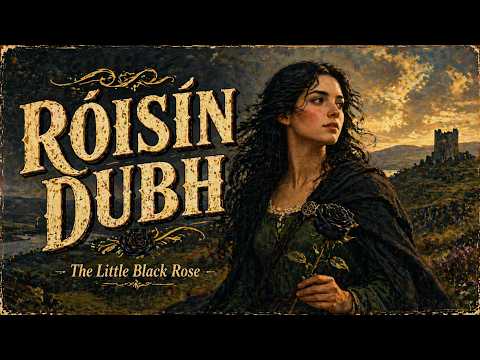
Different singers, different shades
Róisín Dubh is one of those songs that morphs with whoever sings it. At heart it’s a love poem with political echoes, and you can hear either the private ache or the public defiance depending on the arrangement. Singers and groups have taken very different tacks — from spare sean-nós renderings to full-throttle rock — and each choice pulls a different meaning out of lines like “my Róisín Dubh” or the more apocalyptic “rivers shall run backward.”
Unaccompanied sean-nós singers treat the tune like a confession. The ornamentation, the rubato, the almost conversational delivery make every phrase intimate. In that setting the poem becomes a solitary promise: weary but faithful, clinging with “wild fondness.”
By contrast, folk-group versions that add guitar, bouzouki and fiddle usually keep the melody straightforward and let the accompaniment do the colouring. Those arrangements emphasise movement and storytelling — the travel across mountains and rivers, the endurance in sorrow — and they’re the versions that translate best to the pub or a small concert hall.
The Dubliners and similar pub-folk approaches push the song toward communal singing. The melody is strong and direct; it invites a chorus and makes the lament feel like a shared memory. Listen for how phrasing changes when the goal is sing-along rather than private devotion.
Then there’s the left-field route: rock reinterpretation. Thin Lizzy’s extended medley turns Róisín Dubh into an arena piece, stretching phrases into dramatic vamps and using electric guitar to turn longing into defiance. Suddenly the vow that the world will see the ruin of Róisín Dubh reads like an anthem rather than a personal threat.
Instrumental takes — pipes, strings, or full ensembles — strip the words back and make the tune itself speak. That can highlight melodic grace or give the song a march-like inevitability, depending on tempo and instrumentation.
What ties these versions together is the song’s elasticity. Whether sung softly in Irish or blasted through amplifiers, Róisín Dubh keeps giving up new angles — intimacy, community, protest — every time someone decides what they want the rose to mean.
Read more about "Róisín Dubh," and other classic Irish songs at Classic Irish Songs.
Visit Music Of Paddies Land for our growing collection of Irish song features.
Comments
Post a Comment